Nature programs have been popular this summer at Yellowstone Lake State Park, 8495 Lake Road, Blanchardville. Not only are campers enjoying the presentations, but many people are visiting the park to participate in the free nature programs.
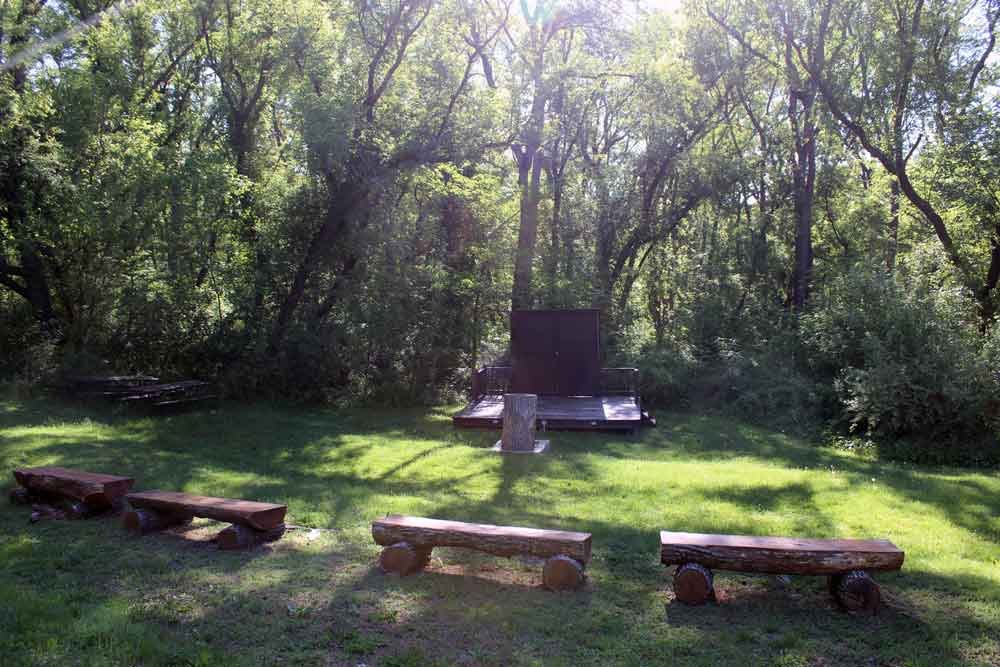
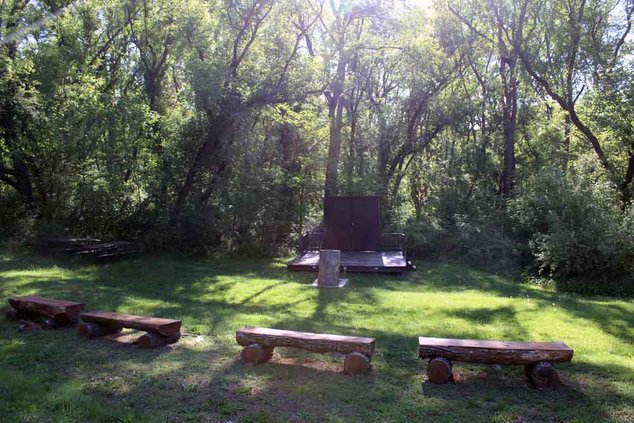
‘Buzz, Bite, Sting: Insects Everywhere’ is the upcoming program planned for Saturday, July 11, beginning at 7 p.m. The event is appropriate for visitors of all ages. It will be held at the park’s Amphitheater, weather permitting. A state park sticker or day pass is required. Guests are reminded to leash all pets.
Biologist and naturalist, Mark Sturnick is the presenter of ‘Buzz, Bite, Sting: Insects Everywhere’, as well as many of the programs at the park. He has been studying the ecosystem of Yellowstone Lake State Park for several years, gaining a better understanding of the insects, animals, and plant species that live there. His passion for conservation has earned him respect with families and guests to his presentations. Sturnick’s work continues to spark new interest in others while maintaining the conservative efforts of Yellowstone Lake State Park, and the Wisconsin DNR.
The upcoming program will focus on the variety of insects that keep us company as we go about our day-to-day activities. Even though the number isn’t exact, it is well-known that there are at least one-thousand different species of insects living alongside us in Wisconsin. Summer is the most active time of year for insects, as a majority of them will migrate, hibernate or go into a dormant or inactive period during cold winter months.
Thinking about the life of insects might give some readers images of tiny ecosystems thriving under a leaf somewhere in a thick forest. Perhaps a daydream of emerging monarch butterflies fluttering in a meadow at the break of dawn, during a beautiful morning sunrise. Insects can also have the opposite effect for individuals who don’t care to be bothered, bitten or stung.
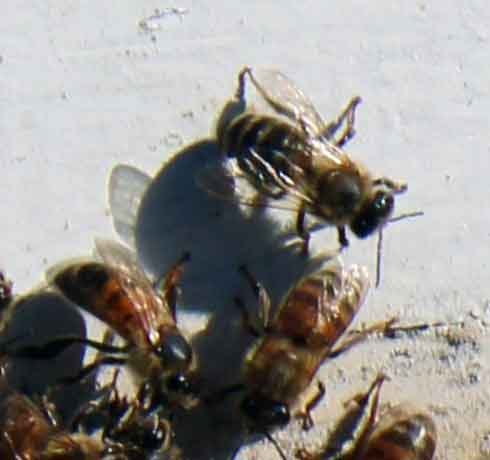
Bees are among the most recognizable and photographed insects, oftentimes the ambassadors of several ‘Save the Pollinators’ campaigns. There are a wide-variety of species, the most common are honey bees and sweat bees, which are vital for natural pollination. Hornets and Yellowjackets are oftentimes referred to as ‘bees’ in general, because they also wear a stinger. These species tend to be more aggressive. Hover Flies are important pollinators, who are sometimes also mistaken for bees.
Beetles cover the most diverse group, which can range from Asian beetles, Blister beetles, Carpet beetles, Ground beetles, Japanese beetles, Junebugs, Leaf beetles, Milkweed beetle, Potato beetle, Scarlet beetle, and Weevils, are just a few examples of the traditional hard-shelled insects in the state. There are several varieties that range in shape, size, and in most colors.
Black ants, Carpenter ants, and Pharaoh ants are among the most common ant varieties, although there are several. What makes them unique are the colonies they keep. Everyone has their own special job to do. All worker ants are females, who collect food, and care for the larvae. Male ants mate with the Queen, whose only role is to lay eggs to keep the colony thriving.
Flies are attracted to fermenting fruit and decaying matter. There are almost a dozen species that most people are already familiar with. One that stands out is the Green Bottle fly, which is the metallic blue-green species, found in nearly every part of the world. The insect has played a large part in decomposition and forensic science. Many studies of this common fly have launched investigations forward, and have led to successful convictions of some heinous crimes.
There are many insects that are frequent visitors to our backyards and garden areas. Butterflies are a favorite insect of many, which have several species, including the Eastern Tiger Swallowtail and Monarch, both of which are favored by gardeners. Moths are similar to butterflies, but tend to frequent evening skies. The Luna moth and Hummingbird Clearwing are common moth species. The Polyphemus moth, and Imperial moth are among some of the largest insects, sometimes reaching the size of a person’s palm. The Green Darner, more commonly referred to as a Dragonfly, is the elongated iridescent insect with clear or amber-colored wings who tend to frequent shorelines, such as that of Yellowstone Lake. They seem to capture the light of day on their wings in a way that seems magical.
A personal favorite insect who likes to frequent campsites and evening barbeques is the Eastern firefly, sometimes called Lightning bugs. The brightly-lit beetles produce light through a chemical reaction called bioluminescence. Males and females communicate using unique flash patterns to find and select mates. Light patterns can also help establish territories, and can warn predators of the bug’s bitter taste. Fireflies have been caught in Mason jars as a favorite pastime for several generations. There has been a decline of the species, as habitat loss, overuse of pesticides, climate change and increased light pollution remain a threat. Another insect with glowing abilities that lives in Wisconsin is the Click Beetle. As the species doesn’t flash their light, they can adjust their glow’s intensity.
Katydids are one of the classic sounds of summer nights. There are many species and subspecies of them. They all tend to spend most of their time in trees and shrubs, and rarely descend to the ground, unlike the varieties of grasshoppers that their image mirrors. Grasshoppers can be found in grasslands, woodlands, roadsides, and croplands. Walking through tall grasses is the easiest way to locate them as their coloration has them blending into their environment. They have a broad appetite which has allowed them to adapt to different ecosystems.