

Wisconsin Watch is a nonprofit, nonpartisan newsroom, which shares its content with members of the Wisconsin NewsMedia Association (WNA), formerly known as the Wisconsin Newspaper Association.
The Wisconsin Watch 2026 Voter Guide is an interactive tool for voters to find direct, comparable information on candidates for state office in their jurisdiction. To access the Voter Guide, go to www.wisconsinwatch.org.
Why should voters elect you the next governor of Wisconsin?
I’m offering Wisconsin a bold, hopeful vision worth fighting for.
While others offer incremental fixes, I’m building a movement rooted in permanent affordability — universal childcare, fully funded public schools, paid leave, and lower healthcare costs. In a crowded field, I’m the candidate meeting this moment with clarity and conviction. That’s why I’ve been consistently leading in the polls and steadily gaining momentum. I’m the only candidate who supports a moratorium on AI data center construction, and I was the first in the race to propose a plan to regulate Big Tech to ensure development benefits Wisconsin.
We’re building a broad, multiracial, multi-generational coalition of working-class voters that spans the political spectrum, engaging people who normally sit out elections. Democrats need this coalition to win.
What is the top issue facing Wisconsinites and how would you address it?
Affordability. The cost of living keeps climbing while wages stay flat and corporations get richer on the backs of working people. This has happened by design, and we’re at a breaking point.
Permanent affordability is more than a slogan — it’s a practice and a promise of enacting structural change that outlasts any one budget cycle or administration. For too long, politicians have failed to deliver for working people. It’s time to do better.
We do this by taxing the ultra-wealthy and the corporations, and then investing that revenue in what working families need: higher wages, universal childcare; fully funded public schools; paid leave; fairer, cheaper healthcare. It’s time to rebuild power for working-class people and give them a seat at the table.
What is the top policy goal you would like to accomplish in your first 100 days in office?
Universal childcare is the single highest-impact policy we can implement if we want to solve the affordability crisis in Wisconsin. It doesn’t just benefit parents and kids — it benefits the entire economy. Because when parents can stay in the workforce, they can advance in their career. And when businesses can hire and retain employees, they can grow. And when kids are guaranteed to get the care they need, they have a better shot at life.
My plan guarantees free childcare for virtually every Wisconsin family, building on the state’s existing Child Care Counts program and modeled after what’s working in Vermont and New Mexico. We pay for it the way we pay for Social Security: a small payroll contribution, split between worker and employer.
What kind of relationship should Wisconsin’s governor have with the federal government?
Wisconsin’s governor should always put Wisconsin first. I’ll work with Washington wherever it helps families afford their lives: protecting our farmers, fixing our roads, keeping federal dollars flowing for healthcare and schools.
But when the federal government attacks our rights, targets our neighbors, cuts services working families depend on, or tries to turn Wisconsin into a testing ground for unconstitutional policies, the governor has to be willing to resist. That means using every tool available: litigation, executive authority, legislation, and public pressure. I’m not interested in political theater. I’m interested in whether the people of this state are being protected. A governor should know how to pick up the phone, build relationships, and deliver results. But they also need a backbone. Wisconsin deserves both.
How would you approach working with the Legislature if there are Republicans in power in one or both chambers?
I’ve spent five years as a Democrat in a Republican-controlled Legislature, and I’ve worked with Republicans to pass legislation, so I know exactly what this takes. We find the overlap and we go to work. I’ll work with anyone serious about delivering real relief for working-class Wisconsinites. Plenty of Republican voters want lower property taxes, affordable childcare, and good jobs that stay in Wisconsin. I’d take those fights straight to them and dare their representatives to vote against the interests of their own constituents. Where they obstruct, I’d make the stakes plain to the public. The AI data center issue is a perfect example. People on the left and right agree that Wisconsin families shouldn’t subsidize Big Tech’s energy bills.
How would you approach working with the Legislature if there are Democrats in power in one or both chambers?
I’d treat a Democratic majority as a mandate to go big and deliver the bold reforms working families desperately need. A trifecta would be the biggest governing opportunity Wisconsin Democrats have had in a generation, and we cannot waste it. That means setting a clear agenda early, working closely with legislative leaders, and being disciplined about what we can pass, fund, implement, and defend. My approach would be urgent, focused, and public-facing: keep the coalition aligned, move quickly on the issues people elected us to solve, and make sure the changes we pass are tangible, visible, and built to last.
When we get power, we have to use it — not to tinker around the edges, but to prove that government can work for working people.
What is your favorite fun Wisconsin history fact?
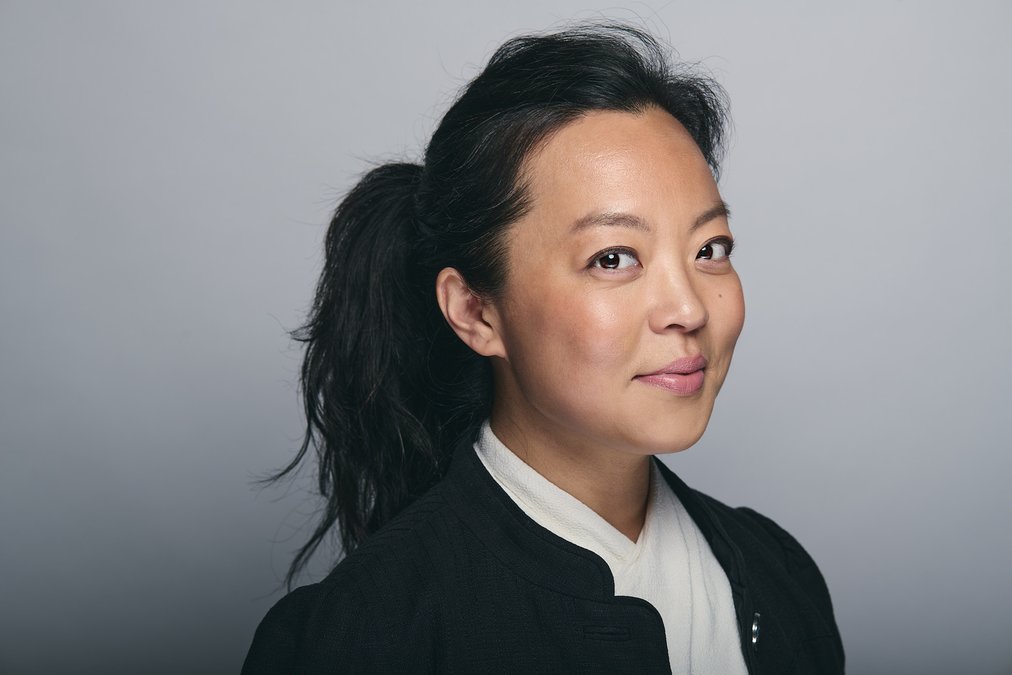
I was the first Asian American elected to the Wisconsin State Legislature, and if elected, I would be the first woman governor in Wisconsin history. So I got curious about other Wisconsin firsts and found out that we have some incredible ones:
The first kindergarten in America opened in Watertown. Wisconsin was the first state to enact unemployment compensation, which helped shape the federal unemployment insurance system. We passed the nation’s first constitutionally upheld workers’ compensation law. And Wisconsin also helped pioneer direct primary elections, a move that strengthened democracy by giving regular voters more power over party bosses.