DARLINGTON — The ongoing measles outbreak in southwestern Wisconsin continues to be a burden in Lafayette and Iowa counties.
Lafayette County currently has 43 confirmed cases as of Friday, Aug. 28, more than double from a week prior. Of the 43 cases, 37 are confirmed and six are “probable cases,” meaning they have measles symptoms but have not been lab confirmed or linked to a lab-confirmed case. Iowa County sits at 52 confirmed cases.
“We are reporting a notable rise in measles cases. Most of these new cases are among people who were already in close contact with known cases,” the Lafayette County Health Department (LCHD) said in a press release on Aug. 28. “Measles spreads extremely easily — if someone has it, 9 out of 10 unprotected people around them will get sick — and symptoms can take up to 21 days to appear. Because of this, more cases among close contacts are expected.”
Even though the numbers are increasing, it doesn’t necessarily mean there’s a higher risk to the general public, the health department said.
“Our teams are actively investigating each case, notifying close contacts, and checking for any possible public exposure locations. If any public exposure risk is identified, we will share that information right away,” LCHD added.
There have been 100 confirmed cases in Wisconsin in 2026, with 98 active cases. All but one case involves someone not vaccinated, according to data from the Wisconsin Department of Health Services (DHS) Measles Dashboard. Sixty percent of the cases involve a child under age 18. Two Wisconsin cases have led to hospitalization. Because the DHS updates the outbreak page on Tuesdays and Fridays, the most recent data from Sept. 1 came after press time.
After the outbreak began, with the start of school right around the corner, several districts began monitoring the situation.
“The district ... wants to reassure you we are working with public health officials to ensure we are taking appropriate steps as the start of the new school year approaches,” the Pecatonica Area School District wrote to parents and staff.
According to the US Centers for Disease Control and Prevention (CDC), measles isn’t just a little rash. Measles can be dangerous, especially for babies and young children.
Measles symptoms typically include:
● High fever (may spike to more than 104°F)
● Cough
● Runny nose
● Red and/or watery eyes
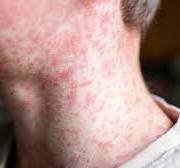
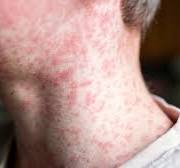
● Rash (breaks out 3-5 days after symptoms begin)
Measles can be serious. It can cause severe health complications, including pneumonia, swelling of the brain (encephalitis), and death.
● 1 out of 5 people who get measles will be hospitalized.
● 1 out of every 20 children with measles will get pneumonia, the most common cause of death from measles in young children.
● 1 out of every 1,000 people with measles will develop brain swelling, which may lead to brain damage.
● 1 to 3 out of 1,000 people with measles will die.
The No. 1 method of prevention is the Measles, Mumps and Rubella (MMR) vaccine. Two doses of the vaccine are 97% effective at preventing the disease.
“One of the best ways to prevent measles is to be immunized. You can check your immunization record by contacting your health care provider, our office or looking on the Wisconsin Immunization Registry WIR,” LCHD added.
Measles symptoms typically appear 10-21 days after exposure. If anyone in your house is sick with measles-like symptoms, it is highly suggested to stay home and contact your local health department or hospital before going to see a doctor, so that the facility has ample warning to follow mitigation procedures.