Adults breathe in about 3,000 gallons of air a day. Lafayette County, along with the Regional Southwest 7 Environmental Health Partnership, wants its residents to be more air quality aware.
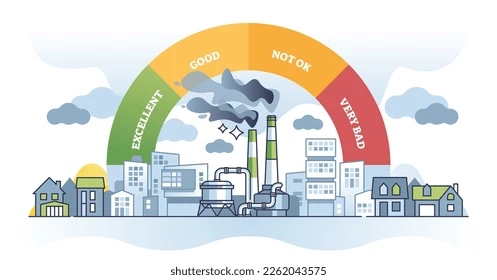
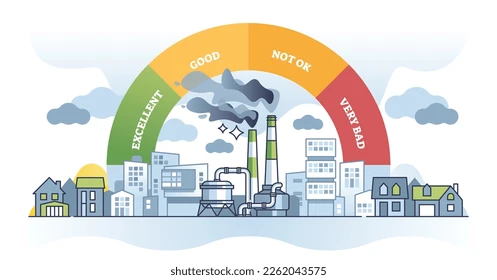
Air quality is defined as how clean or polluted the air is and is measured using an Air Quality Index (AQI). The higher the AQI, the more it can adversely affect human health. Poor air quality will contain microscopic particles and toxic gases, things not found in clean air. Air quality is impacted by things like wildfires, car exhaust and factory emissions.
When thinking of air quality, many people picture outdoor air. However, the air inside homes can sometimes be even more polluted. Pet dander, dust, household chemicals, tobacco smoke and mold can all contribute to poor indoor air quality.
Monitoring air quality is critical because breathing in polluted air can cause immediate respiratory irritation. For people living with asthma, COPD and other lung conditions, poor outdoor and indoor air quality can worsen symptoms and make breathing more difficult.
The good news is there are simple ways to protect your lungs:
● Check your local AQI before spending extended time outdoors. Airnow.gov is a one-stop source for air quality data and a great place to check your local AQI.
● Improve indoor air quality by using air purifier, changing HVAC filters regularly, reducing dust, and limiting the use of harsh chemical cleaners.
● Keep your home smoke-free whenever possible.
One more easy way to support lung health is to drink more water. Staying hydrated helps the body clear the pollutants breathed in each day. While you don’t need to drink 3,000 gallons-aim for ½ to ¾ of a gallon per day.
Healthy lungs start with healthy air. Paying attention to the air you breathe is one small step that can make a big difference for your health.
For additional information on air quality and how to protect your lungs visit Wisconsin Department of Health Services Outdoor Air Quality and Health.