The Gospel of Matthew tells us that Jesus was on the move — going to all the cities and villages, teaching, proclaiming good news, curing every disease and sickness. And when he went, he really saw people. When he saw the crowds, he had compassion for them, because they were harassed and helpless — like sheep without a shepherd.
Those words carry more meaning than we might expect. The Greek word for compassion comes from the root word for intestines, for guts. A physical, gut-level response to suffering that grabs you somewhere deeper than your head. And harassed, in Greek, means being flayed or torn apart. These weren’t people experiencing little, minor inconveniences. They were people worn down by poverty, illness, and religious systems that kept telling them God was somewhere far away and they weren’t quite good enough.
The harassed and helpless are still very much with us today. They show up in statistics about food insecurity, and in the faces of people outside courthouses or deportation centers waiting to find out what happens next to their family. They are the people whose phone calls don’t get returned by anyone in power, who have learned to expect very little from institutions, who have started to wonder if God is actually for people like them.
So Jesus turns to his disciples and says: the harvest is plentiful, but the laborers are few. In the ancient world, a harvest without enough workers wasn’t inefficient, it was a catastrophe. Grain left too long in the field rotted. It was taken by birds or weather or thieves. With this, Jesus is saying: the need is urgent, and the people who could meet the need are standing right here, not moving, not doing anything.
He never says this to shame anyone. He says it to send them. And that sends us, too.
Because you don’t bring in a harvest alone. The old farming communities understood this. When it was time, you called everyone. Neighbors, people you didn’t always get along with, people whose help you didn’t think you needed. They came, because the harvest belonged to all of them.
Look at who Jesus actually sent: a tax collector who collaborated with the Roman Empire, and a Zealot who resisted it. Matthew and Simon had genuinely incompatible politics. And Jesus looked at both of them and said: you two, you go together.
The harvest does not care whether the workers agree with each other. It only cares whether they show up to do the work.
That is the work of the church. The work of the church is people who let something lurch in their chests when they see the harassed and helpless, and who then, because of that lurching, add their hands to the work.
The field is wide and ready.
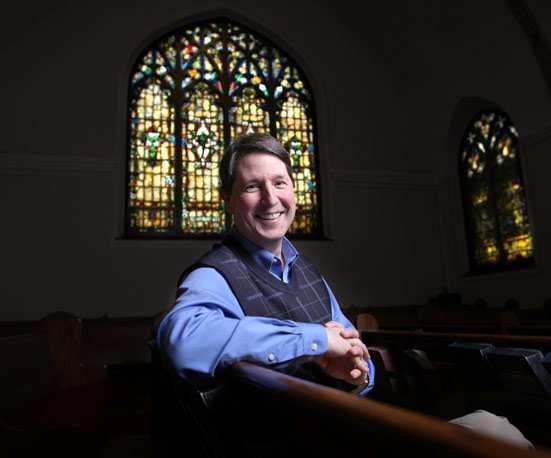
— Reflections appears regularly on the religion page. The column features a variety of local writers, coordinated through the Monroe Area Clergy Group. Rev. Christina Schoenwetter is the Associate Pastor of Engagement at St. John’s United Church of Christ in Monroe.