The 2026-gun deer season marks 175 years of structured seasons. There were four closed seasons. There are now eight seasons in place to provide hunters with many opportunities to pursue deer and enjoy the woods.
Animals registered are reported on the Wisconsin Department of Natural Resources web page as seasons conclude or weekly for those hunts that continue for months such as archery and crossbow. To date, 37,232 deer have been registered from hunts ongoing or completed. Of those deer, 20,293, were antlerless.
Most of the events and items eliminated, including backtags, in-person registration stations, and customer service centers are not likely to return.
Wisconsin’s first gun deer season, in 1851, was Feb. 1 to June 30.
That was five months or 149 days. That’s a lot but this year’s archery season is 141 days, Sept. 12 to Jan. 31, 2027. The current nine-day gun deer season is, of course, nine days, Nov. 21 to Nov. 29; a late opener suggests the rut will be wrapping up before the season opens.
It wasn’t until 1888 that there was a game laws pamphlet. Later, in 1897, the pamphlet hit hunters hard announcing the first bag limit of two deer per person and a license cost of $1.
Twelve hunters were killed by firearms in 1900. The first buck-only season was 1915. The terms antlered and antlerless were probably not yet widely used.
In 1917 paper deer tags, costing a dime, were required. Then, in 1920, metal tags, also ten cents, were required.
It must have been a real deer dispute in 1927 when deer season was closed in alternate years until 1937 when the shortest season, three days, was announced by the Conservation Commission.
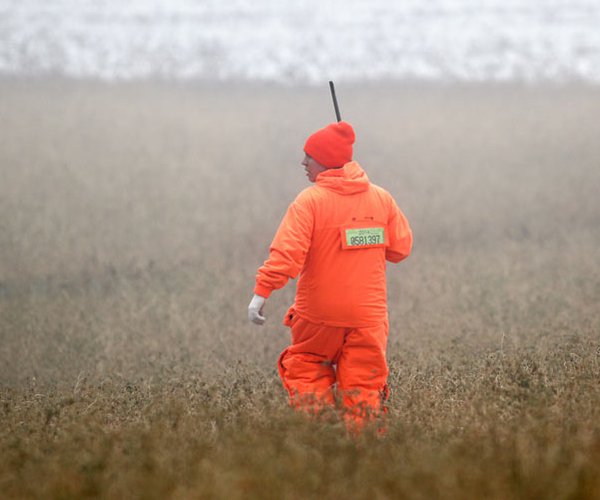
Backtags appeared in 1942 and continued through 2015 when they were no longer provided with archery or gun deer licenses. Very few hunters continued to wear them, maybe only myself, who had new tags printed by a graphic artist until 2022.
The first official archery season was 1934. That same year gun deer hunters took 21,251 deer.
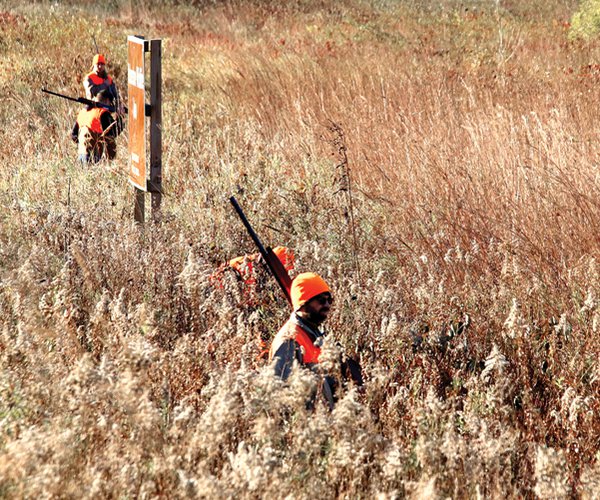
In 1945 deer hunters were required to wear red clothing.
In 1951 orange clothing was added as an option to red clothing and a deer tag cost $2.50.
In 1953 hunters were required to present their deer at checking stations, eventually coining the phrase “deer registration stations.” These gathering points began to be visited by lookers to see who brought in deer, and how large bucks’ antlers were.
Severe state budget shortages suggest these stations are gone for good.
Hunter education sessions began in 1967, generally known as hunter safety classes even though deer habitat and ethics are included.
More recently, but in some cases lasting only a season or several, hunter’s choice permits, antlerless and antlered deer, deer harvest, bonus antlerless permits, pre-hunt herd, road hunting, quota party permit, population goals, deer management units, nine-day gun deer season, muzzleloader season, Zone T, bucks-only, earn a buck, October gun deer hunt, CWD, CWD hunts, CWD zones, venison donations, mentored hunting, bonus buck, replacement buck, crossbow season, and more.
Who could forget in 1961 the sex-age-kill formula appeared. It was a method of estimating the statewide deer population based on deer killed.
Many of these season changes stemmed from offering more hunting opportunities and making a connection between deer hunting and deer population management.
While no longer a record gun deer harvest, in 1999 402,204, a perfect palindrome, works forward or backward.
While killing and not killing white or albino deer has flipped back and forth, it is presently in place.
Let’s not forget chronic wasting disease, noticed by positive tests of three deer killed during the 2001-gun deer season in Dane County, Wisconsin. CWD, as well as several other factors, had a major impact on deer hunting, venison consumption and deer populations now 25 years later.
Crossbows came into the picture in a major way in 2014.
In 2015 electronic registration started and registration stations began being closed leaving fewer places to for media to converse with crowds of successful hunters.
Wayne Whitemarsh, in Sauk City, Wisconsin, has a den designated as a lodge with thousands of old deer hunting memorabilia including signs, backtags, deer carcass tags, and other items used by past deer hunters.
He is saddened by the elimination of some items and events that seem to have cut in on traditions, camaraderie, and the social aspect of deer hunting.
Doug Williams, Portage, Wisconsin suggests the same pointing out the loss of groups, neighbors, and fiends getting together to hunt for fun and meat rather than trophy animals. Land access and huge farms replacing smaller 200-acre operations has had an impact, too.
Last year 550,611-gun deer licenses were sold and 182,084 deer were taken by gun deer hunters while archers and cross-bowers registered 111,511 animals. Of those, 41,461 were antlered and 70,050 were antlerless.
In addition to lamenting the elimination of an item or process, some hunters are wishing they had saved some of those items and traditions.
— Jerry Davis is a freelance writer who lives in Barneveld. He can be reached at sivadjam@mhtc.net or at 608-924-1112.