DARLINGTON — The Lafayette County Health Department reminds the community of the dangers of carbon monoxide, and provide carbon monoxide alarms for free, which can help save lives.
“Each year, more than 400 people die, and 50,000 people go to the emergency room in the U.S. from accidental carbon monoxide poisoning,” said Julie Leibfried, RN, BSN, Health Officer of the Lafayette County Health Department. “We have 100 carbon monoxide alarms available free of charge. The alarms already come with working batteries and are ready for immediate installation into homes. The alarms are located in our lobby. We will continue to hand them out until our supply is gone.”
The community is encouraged to stop by during business hours to pick up the free carbon monoxide alarms at the Lafayette County Health Department, 729 Clay Street in Darlington.
Carbon monoxide is a poisonous gas that doesn’t have a smell, nor can it be seen. It is the chemical reaction that is created when fuels, like gas, kerosene, propane, or wood; are burned. The toxic fumes are deadly and can kill people and pets before they realize what is happening to them.
“Use carbon monoxide alarms in your home, including the basement,” Leibfried said. “Place at least one alarm on every level of a multi-story home. The most critical locations are hallways outside of bedrooms, or inside sleeping areas, so alarms can wake you up.”
It is strongly advised to replace alarm batteries at least every six months, or as directed by the manufacturer on the alarm. Remember to have fuel-burning appliances, chimneys, vents, and flues inspected regularly — and most importantly, before seasonal use in colder months.
To prevent coming into contact with carbon monoxide, there are some common tips that the Lafayette County Health Department urges residents follow in order to stay safe.
Never use gasoline-powered engines indoors, which also includes using them inside garages. Never use charcoal or gas grills indoors. Be aware that using heaters fueled by gasoline or propane inside homes, garages, tents, or other enclosed spaces is not advised, because gases can become trapped indoors.
Common household sources include idling cars in a enclosed garage, water heaters or clothes dryers, furnaces, boilers, wood stoves, fireplaces, space heater, grills used indoors, ranges, stoves, cooktops, and wall ovens.
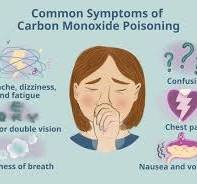
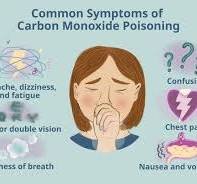
Knowing the signs and symptoms of carbon monoxide can help save a life. Watch for the following signs: headaches, dizziness, feeling lightheaded, having nausea or vomiting, sleepiness, confusion, or a fast and/or fluttering heartbeat.
If you come upon someone who is unable to be shaken awake, immediately dial 9-1-1. It is crucial to not ignore the warning signs. At high levels, carbon monoxide can cause death within minutes. Having any of the symptoms, or a carbon monoxide alarm sounding continuously are indications that you may have been exposed to dangerous levels of carbon monoxide.
If there is a presence of carbon monoxide inside the home, it is important to get everyone outside and into fresh air immediately, then call emergency services and follow their directions.
People can stop at the Lafayette County Health Department to pick up the free carbon monoxide alarms, which are located inside the lobby area. Their office is open Monday through Thursday, 7:30 a.m. to 4:30 p.m. and Fridays 7:30 a.m. to 2 p.m.