I just finished a remodel project at Wegmueller Farm. The project is to create a central meeting space for our horseback riding guests and farm tours. There will be farm-branded merchandise and locally sourced food products for sale, an office space for records and guest waivers, and a storage area for farm maintenance tools and supplies.
Essentially, I am taking an existing shop building that my grandfather constructed in the 1960s and converting it to serve a new purpose as the farm continues to evolve into the next generation. In this day and age, it is not enough to simply farm for a living — the economics of farming have destroyed the concept of community-oriented farming and have replaced it with a corporate model.
The building itself drips with character. There are oil stains on the concrete floor where we used to park the farm truck, and where I serviced the skid loader one cold winter day. A particularly large stain in one corner of the building signifies where my grandfather used to store bulk barrels of oil, and as a little kid, my older brother accidentally spilled some while “trying to help” my dad. There are varying shades of color over-sprayed on a variety of surfaces from decades of restoration projects — everything from John Deere Green, to dull gray aircraft dope.
In the building attic, the roof sheathing hints at a slice of family lore. Here and there are patched and repaired boards, not enough to structurally degrade the building, but enough to raise curiosity. Before my dad passed away I asked him about the damaged roof and he laughed, “Shortly after your grandfather built this shop, he needed some tree stumps removed just north of here. So, he hired a blasting company to dynamite the stumps. They assured him the blasts would not affect the building. Well, the blast launched rocks into the air, and when they came down, they punched holes in his brand new roof. I was home from college and remember how angry he was about that.”
The one piece of historical lore that truly struck me was the wall where the landline used to be. I can vividly picture my dad leaning against this wall, talking on the phone. The phone was a relic of the 1970s, harvest gold, with a long spiraling cord connecting the earpiece to the base. When a call came in, a mechanical bell rang loudly enough to vibrate the walls of the shop.
The landline is long gone, but hand-written phone numbers are scrawled on the wall. Scores of names and numbers, each one a long-lost connection to a world that no longer exists. Most striking of all, was how personal these connections were:
There were very few businesses listed, but rather the names of the business owners. The feed store, where we purchased grain supplements and nutritional guidance for the dairy herd; not just the office number, but the home phone numbers of the owner and family members. Same, with the local veterinarian clinic: The office phone, and then the personal home numbers of several veterinarians that serviced the farm.
Individual agricultural lenders and bankers were listed. I remember my dad calling them for operating lines of credit and farm expansion projects. There was the contact number for the supplier of diesel fuel and propane — who also let us sell sweetcorn at the service station parking lot. There were several farm implement dealerships, with direct numbers to individual mechanics and salesmen. Even the milk truck drivers were listed; I remember them helping round up loose cows one summer day.
There were a couple phone numbers to rendering services — two or three times a year at most, a cow might die or need to be euthanized, and there were local companies that processed the carcass. I remember the logo from one of these companies — a grieving farmer standing over a peacefully deceased cow. Back in the day, the farmer would actually receive a condolence gift for each pickup. Man, have the times changed.
And then, there were dozens and dozens of phone numbers for individual farmers. Neighbors, who at the drop of a hat would lend a helping hand at a time of need. Snippets of memories flooded back as I scanned the names. I remember several farmers helping out with hay one year (and vice-versa), others lent a hand with machinery, another purchased haylage from my dad, while others were involved with dairy judging, custom work, and relief help.
It was chilling to go down the wall of contacts, because they are all gone.
The feed store is tore down. The veterinarians have all retired, the bankers have all been bought and sold, the rendering services no longer exist, and the neighboring farms are all gone. Literally, all of the farms listed on the wall have been sold out, broken up, and the families moved on, retired, or passed away.
Our nation is rotting from the top down. The wall of contacts was not about business — it represents a support network that no longer exists. If we are to heal as a nation, we must rebuild a supportive network starting at the community level.
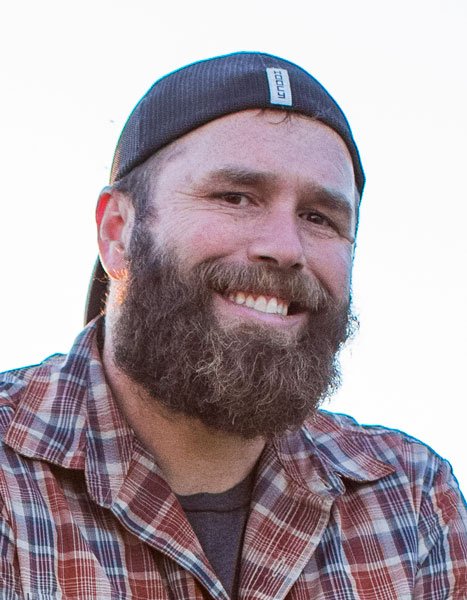
— Dan Wegmueller is the owner of Wegmueller Farms and his column appears regularly in the Times. His website is https://www.farmforthought.org.