MONROE — The City of Monroe is trying to create a shared funding scheme they hope will speed the replacement of lead water service lines throughout the city.
In 2024 the federal government mandated that all lead service lines be replaced by 2034.
“And with that the government pushed down to the states, who then pushed that down to the municipalities and the cities to take control of that and make sure that happens,” said Jesse Duff, of consultant firm Fehr Graham, who detailed how such a program would work during the Monroe Common Council’s March 3 regular meeting; and during an earlier committee meeting on the matter.
The study uncovered 14 lead private lead service lines, 374 galvanized private lines and 1,290 lines status unknown in Monroe.
The cost is estimated at about $5.7 million to replace both private and public lines in the city. The average cost for replacement is estimated at about $5,000 per address, officials said.
To help homeowners, pay for the replacement of their private side of water lines, the city is eyeing several shared cost options that comply with state Wisconsin Public Service Commission regulations. Such programs assist property owners but do not generate additional revenue.
The city has 2 years to use $1 million in federal grant program funding for lead line replacement.
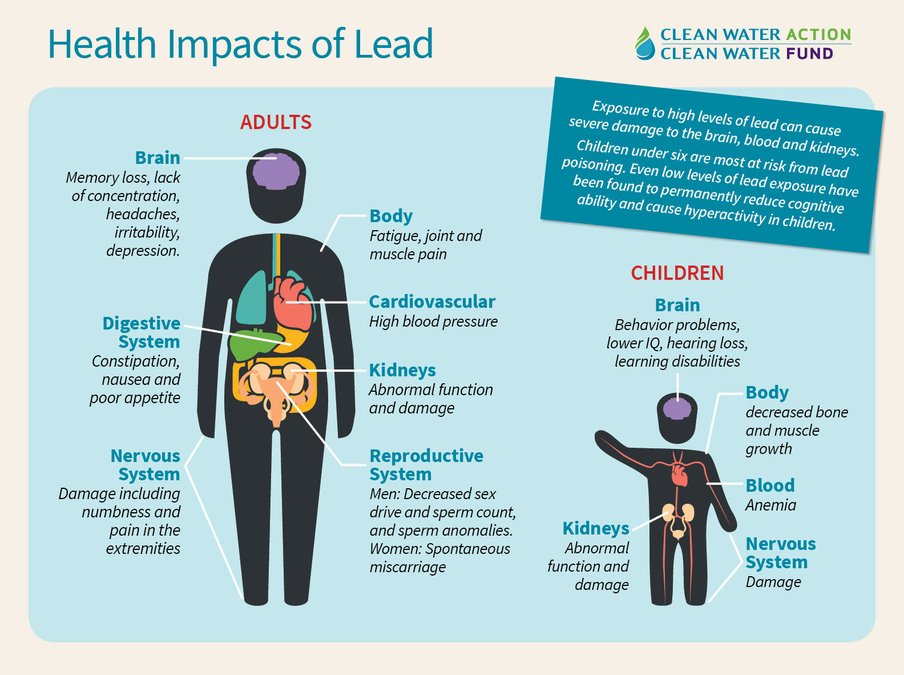
Ultimately all lines in the city will have to go. And while the expense is great the cause is just: Lead pipes are a primary source of lead contamination in drinking water, which poses severe health risks, including brain and nervous system damage.
Children are especially susceptible and while such pipes are found everywhere in the US, there is a major concentration of lead lines in older cities, such as Milwaukee.
“It’s a big burden on the homeowner and it’s a big deal for the city to deal with these,” said Duff.
Highlights of such a program may include:
● 100% grants/loans, 50/50 split, or 100% city loans, with repayment terms up to 10 years.
● FAPs enable utility to provide financial aid using ratepayer funds, subject to PSC approval and rate case review.
● FAPs must be consistent in assistance amounts and require an ordinance authorizing the program.
● The process involves designing the program, submitting to PSC, and implementing it citywide if approved.
● Utilities should assess financial capacity and pacing for lead service line replacements.
There is a roughly 6-to-9-month approval process, officials said, and the goal for the lead pipe effort is to start this spring and spend the grant money by Autumn. Initially, the city would begin the replacement work on public service lines on streets before moving to mostly private.
Meanwhile, officials will continue evaluating options for a financial assistance program and how to administer it in the months ahead.