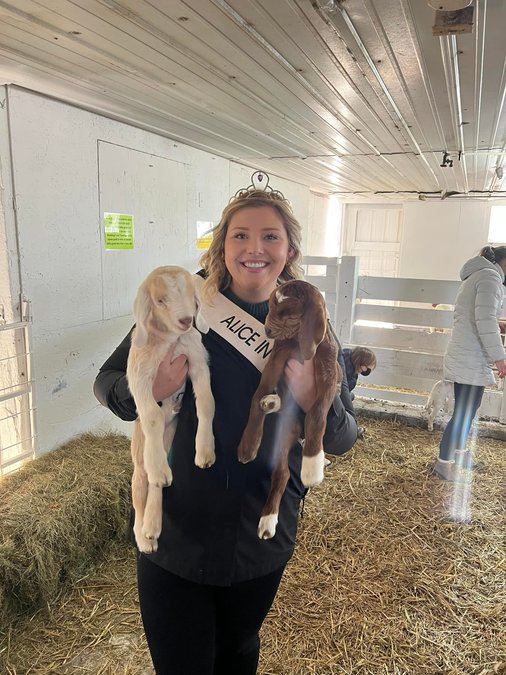

Traveling across the state as the 78th Alice in Dairyland has given me a front-row seat to the incredible diversity of Wisconsin’s $116.3 billion agriculture industry. Two sectors that contribute to this diversity include sheep and goats — both growing, innovative industries that enrich Wisconsin agriculture.
Whether visiting with sheep and goat exhibitors at the Wisconsin State Fair, attending the Wisconsin Sheep and Wool Festival, or visiting the Wisconsin Farm Discovery Center to educate visitors about wool fibers, I am honored to share the stories of our state’s sheep and goat industries. According to the United States Department of Agriculture (USDA), Wisconsin was home to approximately 78,000 sheep and lambs in 2024, raised on both smaller hobby farms and larger-scale operations. Many of these sheep are raised for wool production, with Wisconsin generating roughly 315,000 pounds of wool annually. This wool is used both in commercial markets and by local fiber artisans.
While Wisconsin is known as America’s Dairyland for its dairy cattle products, our state also leads the nation in dairy goat production. Wisconsin is home to about 74,000 dairy goats of eight different breeds. These small ruminants are a powerful player in Wisconsin’s agriculture economy, as our state ranks first in the United States for dairy goat production, alongside other commodities like green beans, cranberries, mink, and ginseng!
With Wisconsin producing over 40% of the nation’s supply of goat milk, there are many options for all of us when it comes to consuming products like goat cheese! Whether you are a fan of chèvre, feta, aged varieties, or specialty spreads, you are helping to support local creameries, which supply popular goat cheese brands across the state and country. Wisconsin has several goat cheese producers and processors, including Montchevre, LaClare Creamery, New Blakesville Creamery, and Nordic Creamery.
In addition to goat cheese, Wisconsin sheep and goat producers also provide high-quality lamb and goat meat. Demand for proteins such as these is increasing, particularly from cultural communities who use goat and lamb in traditional dishes, as well as from chefs who enjoy using locally raised proteins on their menus. When it comes to raising sheep and goats for meat production, our state’s producers take pride in humane care, rotational grazing, and regenerative practices that benefit both the land and animals. To learn more about ways to incorporate lamb and goat into a variety of recipes, visit the Shepherd Song Farm website at www.shepherdsongfarm.com.
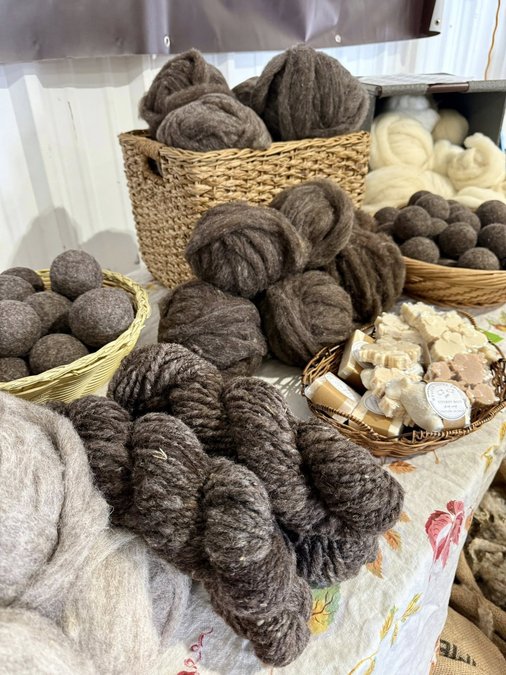
For products that you enjoy wearing instead of eating, many Wisconsin sheep farms focus on wool and specialty fibers. Different breeds of sheep produce unique fibers, from the soft Merino and Rambouillet fleeces to long, lustrous locks from Lincoln or Wensleydale sheep. Growing up, I wore many products made from wool in the winter months to help keep me warm, dry, and comfortable, and this allowed me to support local producers who are dedicated to their craft. Now, as Alice in Dairyland, I have met talented individuals at various fiber festivals and other local events who produce handcrafted fleeces, hats, gloves, scarves, socks, and more. As I’ve learned more and have searched for clothing to stay warm during these snowy days, my support of these producers has only continued to grow!
Sheep and goat production is a vibrant, growing part of Wisconsin agriculture. During these chilly winter months, I encourage you all to think of new ways to incorporate wool into your everyday wardrobe; enjoy goat cheese with your afternoon snack; or try a warm, hearty recipe that involves lamb or goat meat. The opportunities and ways to enjoy these products are endless, and all contribute to supporting the hardworking families who make the industry thrive.
— Sarah Hagenow is the 78th Alice in Dairyland, Wisconsin’s agriculture ambassador who works with media professionals to educate consumers about the importance of agriculture to our economy and way of life. She can be reached at sarah.hagenow@
wisconsin.gov.